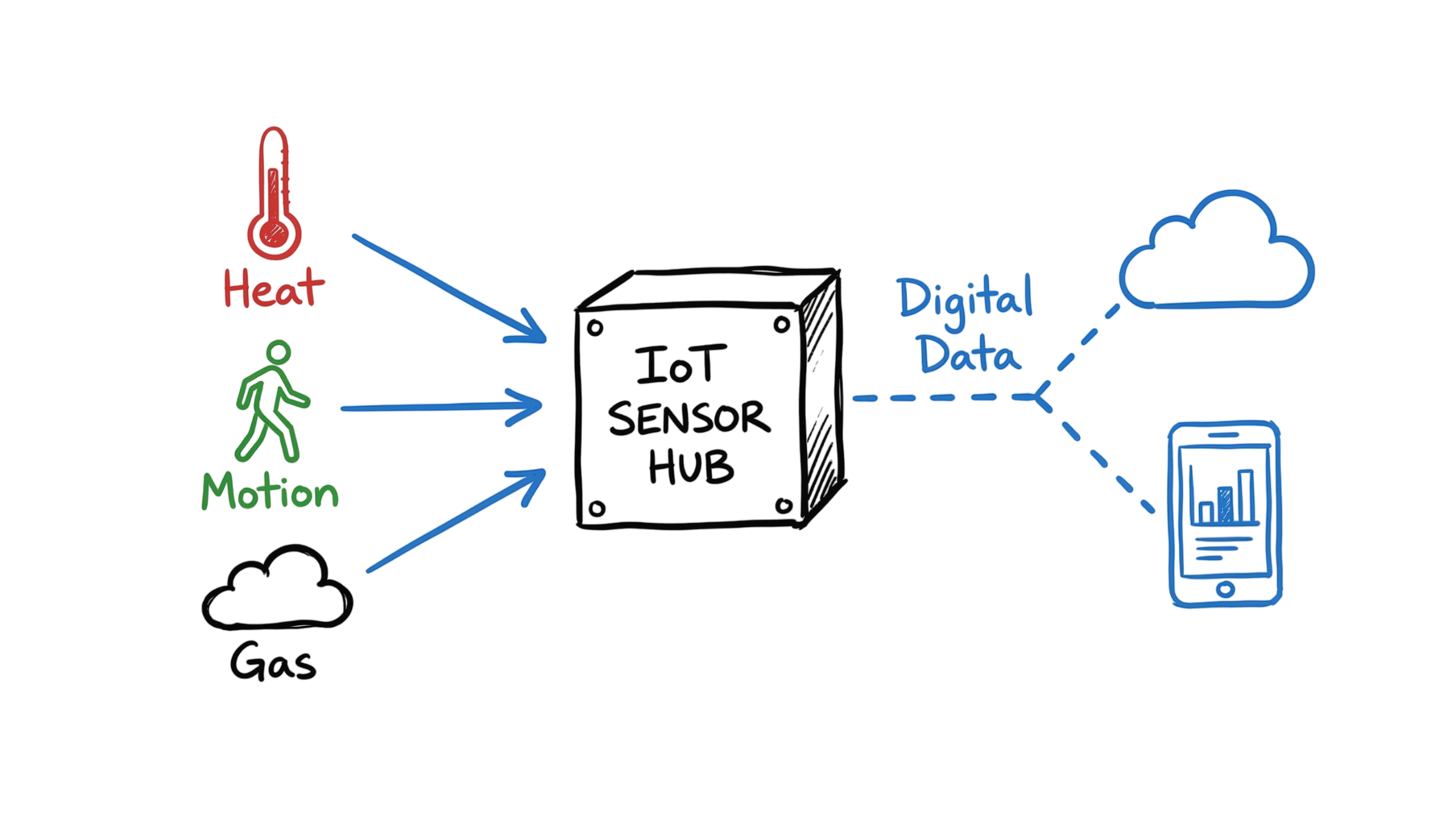
You use IoT sensors many times every day. Your smartphone tracks your steps with one. Your smart thermostat saves money on your power bill with another. These tiny components act as the eyes and ears of the Internet of Things. They let smart devices observe the physical world in real time. Without them, your connected gadgets would have no way to interact with reality.
In this guide, you will learn exactly how these tools work. You will see the common types we use in homes and factories. I will also explain how they solve difficult problems in modern cities today.
Understanding the Basics of IoT Sensors
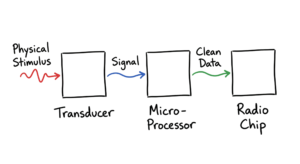
An IoT sensor is a piece of hardware that picks up changes in its environment. It grabs a physical property such as heat, light, or pressure. Then it changes that information into a digital signal. Engineers call this process transduction.
Think about an old manual thermometer. You have to look at the scale yourself to see the temperature. An IoT version is different. It measures the heat and sends that data to a computer over wireless connectivity. This lets your phone tell you if your house is too cold while you are away.
These sensors are the starting point for all data collection. They give computers the raw information they need to make decisions. In 2023, billions of these devices were online. They track everything from soil moisture on farms to vibration in jet engines.
The Role of the Transducer
Every sensor has a transducer inside it. This part changes one type of energy into another. A microphone is a good example. It turns sound waves into electrical pulses.
In an IoT system, the transducer creates an electrical signal. A small processor then cleans this signal to remove interference. Finally, a radio chip sends the data to the cloud or an edge computing gateway.
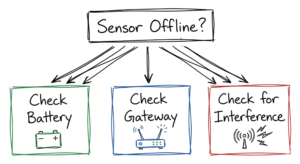
Now here’s where it gets interesting. If the transducer fails, the whole system starts reporting junk data. In my experience, if a sensor starts giving impossible readings, the transducer is usually the first thing to check. In real environments, it doesn’t work this cleanly because dust and heat can degrade these parts over time.
7 Essential Types of IoT Sensors You Should Know
You will find thousands of sensors on the market. But these seven types are in almost every project we build.
1. Temperature Sensors
These are the most common sensors you will encounter. They measure the amount of heat energy in a space. You find them in air conditioners, refrigerators, and industrial boilers.
We often use models like the DHT22 or the DS18B20. In a smart home automation setup, these sensors talk to your heater. When the room reaches 72 degrees, the sensor tells the heater to stop. This stops energy waste and lowers your utility bills. In industrial settings, we use them to prevent machines from overheating and catching fire.
2. Motion and Accelerometer Sensors
Motion sensors find moving people or objects. Most use Passive Infrared (PIR) tech. They look for the heat that humans and animals give off.
Accelerometers track the rate of change in velocity. Your phone uses one to rotate your screen when you turn it. In a factory, we use these for industrial IoT to monitor machines. If a motor starts vibrating in a weird way, the sensor alerts the team. This lets you fix the part before the whole machine breaks. I usually check the vibration history of a motor to predict when it might fail next.
3. Proximity Sensors
Proximity sensors tell you how close an object is. They do this without touching it. They use ultrasonic waves or light beams to spot objects. When an object blocks the beam, the sensor reacts.
Retail stores use them to count how many people walk in. Modern cars use them to help you park. If you get too close to a wall, the sensor beeps to warn you. They also help robotic arms stop at the right spot on a factory assembly line. This keeps the production line moving without crashing.
4. Humidity and Moisture Sensors
These sensors measure water vapor or liquid in soil. They are vital for environmental monitoring.
Farmers use moisture sensors to control irrigation. They only water the crops when the soil is actually dry. This saves a huge amount of water every year. In your house, a humidity sensor can turn on a bathroom fan to stop mold from growing. We also use these in data centers. High humidity can damage servers, so we keep the air at a precise level.
5. Pressure Sensors
Pressure sensors spot changes in gases or liquids. We use them to watch water systems or car tires.
Your car uses these to check tire pressure in real time. If a tire is low, a light comes on your dashboard. Industrial teams also use them to find leaks in long pipes. A fast drop in pressure tells the computer exactly where the leak is. This is how water companies prevent massive floods in city streets.
6. Gas and Chemical Sensors
These devices look for specific molecules in the air. They can find carbon monoxide, smoke, or air pollution.
The MQ-135 is a standard sensor for checking air quality. Factories use them to keep workers safe from toxic fumes. If gas levels get too high, the sensor starts an alarm and opens the vents. This is a basic safety requirement in any chemical plant.
7. Optical and Light Sensors
Optical sensors turn light into electrical signals. They see if it is dark or light outside.
This is where most people get confused. They think every light sensor is a high resolution camera. It is usually just a simple component that senses brightness. You see these in streetlights that turn on at night. Retailers also use them to see if a product is missing from a shelf. When light hits the back of the shelf, the system knows the item is gone.
[Image comparing different IoT sensor form factors for industrial and home use]
How IoT Sensors Communicate
A sensor is useless if it cannot talk to the network. Most use low power protocols to stay online without draining the battery.
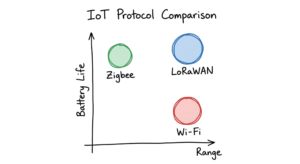
- Zigbee and Z-Wave: These work well for smart homes. They use very little power.
- LoRaWAN: This is for long distances. It can send data for miles across a farm or a forest.
- MQTT: This is a protocol built for bad connections. It makes sure your data gets through even if the signal is weak.
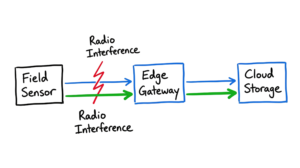
So, the sensor has the data. Now it needs to move it. In real environments, it doesn’t work this cleanly because of radio interference from walls or other electronics. You have to plan your network layout to avoid dead zones.
Real-World Scenario: Combating Air Pollution in Cities
We saw a great use of these sensors in London. The South London Partnership ran a trial across five boroughs. They put hundreds of sensors on lampposts and near schools.
These devices measured nitrogen dioxide and dust. They sent data to a central dashboard every few minutes. The city used this data to find pollution hotspots. They saw that traffic jams caused the most issues near primary schools. They used the data to change how traffic moves during school hours. This made the air cleaner for everyone living there. It turned raw data into a tool for public health.
The Importance of Edge Computing
Sending every piece of data to the cloud is slow and expensive. That is why we use edge computing.
The sensor sends data to a local gateway first. This gateway does the thinking. A security camera can use the edge to spot a person. It only sends video to the cloud if it sees a stranger. This saves your bandwidth and makes the system react much faster. If you wait for the cloud to process a safety alarm, it might be too late.
Challenges with IoT Sensors
While these tools are great, they have two big problems. You have to think about battery life and security.
Most sensors run on batteries. You cannot change thousands of batteries every month in a large factory. We are now using energy harvesting to solve this. This lets sensors get power from light or machine vibration.
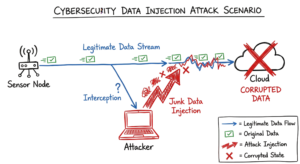
Security is the other major issue. In 2023, the Mirai botnet hit over 300,000 devices. Hackers love sensors with weak passwords. You must use encryption to keep your data safe. If a hacker gets into a pressure sensor, they could give false data to shut down a whole factory.
Final Thoughts on IoT Sensing Technology
IoT sensors change how you interact with your surroundings. They turn physical objects into digital data. This helps you save water, stay safe, and save money.
The sensor is only the start of the project. The real value is in the data you collect. When you understand what the environment is telling you, you can make better choices. These small tools are the most important part of any smart system. The future of tech is not just faster chips. It is better sensing. You are now part of a world where every object has a way to speak.
Reference: wikipedia
Want to read more IoT blogs? Visit iot.technaga.com for more guides and practical examples.